



|
Resin Identification Code |
Material |
· Heat-resistance Temperature(℃) |
Characteristic |
|
|
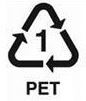
Polyethylene Terephthalate |
60~85℃ |
PET hardness, transparency, excellent toughness, light weight and easy to use, less energy consumption during production, coupled with airtight, non-volatile, acid, filling containers in recent years become an important food products. |
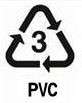 |
Polyvinyl Chloride |
60~80℃ |
Polyvinyl Chloride high plasticity, flame retardant, high chemical resistance, mechanical strength and good electrical insulation advantages of having stable physical and chemical properties, has some chemical resistance. |
|
|
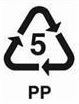
Polypropylene |
100~140℃ |
Non-toxic, tasteless, density, strength, stiffness, hardness and heat resistance are superior to low pressure polyethylene, can be used at 100 ℃, it has good dielectric properties and high-frequency insulation and is not humidity, but the low temperature brittle , do not wear, easy to aging. |
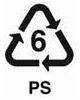 |
Polystyrene |
70~90℃ |
Susceptible to acid and alkali corrosion, can be dissolved in many organic solvents, anti-oil, perishable after exposure to ultraviolet light, hard and brittle texture polystyrene. |
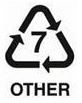 |
Poly Lactic Acid |
50℃ |
Poly Lactic Acid material from corn, sweet potatoes, and stress the natural, non-toxic and environmentally friendly. Natural decomposition, composting, incineration and other waste disposal methods, the product itself has a high degree of transparency and good rigidity. |